
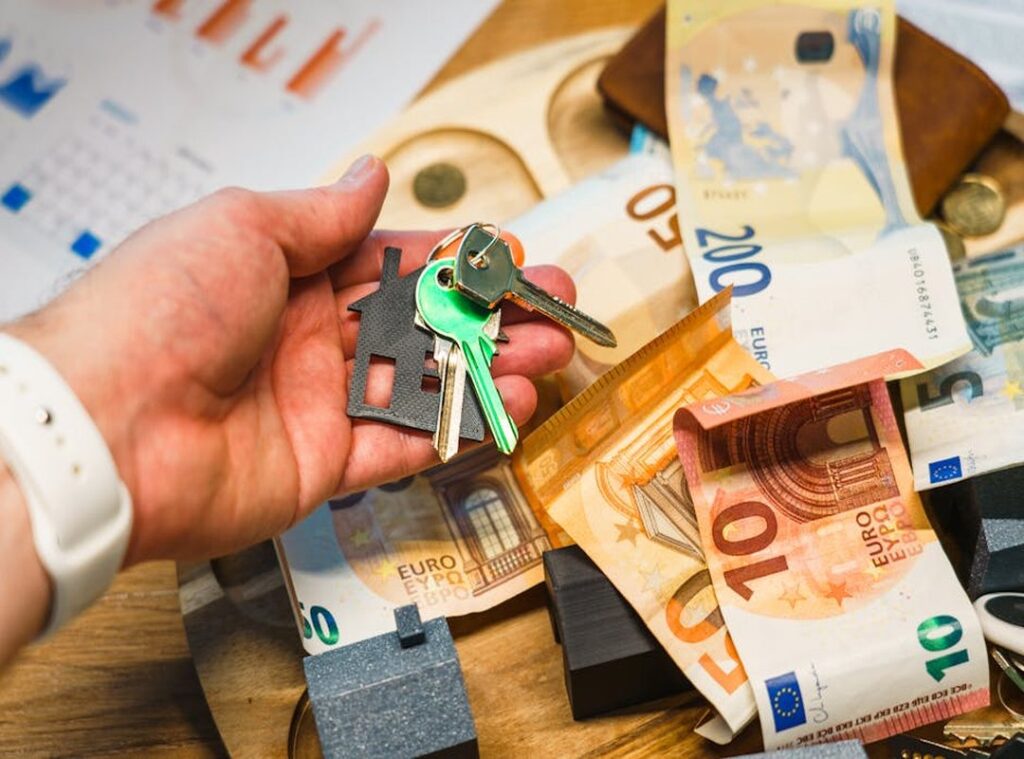
My money used to vanish. Like magic. Except no one was laughing.
You know that feeling. When you check your bank account and think where did it all go? Yeah.
Me too.
This is about fixing that. Not with spreadsheets that give you anxiety. Not with cutting coffee or skipping dinner out.
Real fixes. Simple ones. That work in a real home.
I’ve done this for years. Not as some finance guru. As someone who paid rent, bought groceries, and still wanted to breathe.
These tips come from my kitchen table. From grocery lists I actually stuck to. From utility bills I slashed without turning the heat down to arctic.
This isn’t theory.
It’s Home Economy Advice Ththometech (tested,) messy, and built for real life.
You’ll walk away with a clear plan. Not vague ideas. A real roadmap.
One you can start using tonight.
No fluff. No guilt trips. Just ways to make your money last longer (right) where you live.
Budgets Aren’t Scary. They’re Just Plans.
A budget is a plan for your money. Not a cage. Not a punishment.
Just a plan.
I made mine in Google Sheets. Free. Works.
You could use a notebook if you want. (I tried that. Lasted three days.)
First (write) down what comes in. Every dollar. Paycheck, side gig cash, tax refund.
Don’t skip the $12 from selling old headphones.
Then list fixed expenses. Rent. Car payment.
Insurance. These don’t wiggle much.
Now track variable stuff. Food. Gas.
Coffee. That app subscription you forgot you had. That’s where money leaks happen. A $5 latte every weekday?
That’s $100 a month. $1,200 a year. For milk and caffeine.
Ththometech has simple Home Economy Advice Ththometech. No jargon, no fluff. Just real talk on where your money actually goes.
Set limits after you see the numbers. Not before. You won’t know what’s realistic until you stare at last month’s data.
Try $300 for groceries. $75 for fun. Adjust next month if it fails. It will.
That’s fine.
You’re not failing. You’re learning.
What’s one thing you pay for every month and never think about?
Track it for seven days. Then ask: Do I actually use this? Or just pay for it?
Budgets work when they match your life. Not some spreadsheet ideal.
Start small. Stay honest. Skip the guilt.
Smart Shopping Wins
I plan meals before I shop. It stops me from buying food I’ll toss. You do that too, right?
(Or you’re tired of finding moldy spinach in the back of the fridge.)
I write a list. Then I stick to it. No detours down the candy aisle.
I compare prices. Per ounce, not per package. Store brands beat name brands on pasta, rice, canned beans.
No “just one more thing” at checkout. If it’s not on the list, it doesn’t go in the cart.
Always. You’re paying for the logo, not the lentils.
Bulk works for paper towels and oatmeal. It fails hard for bananas or milk. I’ve learned that the hard way.
(Spoiler: sour milk smells like regret.)
Coupons? Yes (but) only for stuff I already buy. Digital ones auto-apply.
Paper ones I clip before I leave. No hunting in the store. That’s how impulse wins.
Sales aren’t free money. They’re traps if you buy what you don’t need. I ask: Will I use this before it expires?
If I hesitate, I walk away.
This is Home Economy Advice Ththometech in action. Not magic. Just math, memory, and muscle.
You don’t need an app. You need a pen and 10 minutes. Try it next trip.
See how much quieter your cart feels.
Cut Your Bills Without Cutting Comfort
I unplug my coffee maker after every use. You probably leave yours plugged in. That’s vampire drain (electricity) sucked by devices even when they’re off.
Incorporating innovative solutions can greatly enhance your daily routines, making options like Home Friendly Tech Ththometech invaluable for modern households.
LED bulbs cost more up front. They last years and use a fraction of the power. I swapped every bulb in my house last spring.
My bill dropped $12 that month.
Turn off lights when you leave the room. Yes, even the one in the hallway. It’s not about being obsessive (it’s) about stopping automatic waste.
Heating and cooling eat half your electric bill. Seal drafts around windows and doors. A $5 tube of caulk stopped the cold draft under my front door.
(It hissed like a teakettle before.)
Insulation matters. Especially in attics.
If your attic floor feels warm in winter, you’re losing heat.
Smart thermostats help. if you actually use them. I set mine to lower temps at night and raise them 30 minutes before I wake up. No magic.
Just timing.
Shorter showers cut water heating costs fast.
Two minutes less = real savings over time.
Open blinds during the day. Let sun heat rooms for free. Open windows when it’s cool outside.
No AC needed.
Clean fridge coils twice a year. Dust chokes efficiency. My fridge runs quieter now (and) uses less power.
For more practical, low-tech ways to save, check out this guide on Home Economy Advice Ththometech. It’s not about gadgets. It’s about habits that stick.
Fix It. Don’t Toss It.
I fix things because replacement feels lazy. And expensive. You feel that too, right?
I patch drywall instead of calling a contractor. I tighten faucet washers instead of buying a new fixture. I sew buttons back on shirts.
(Yes, even my work shirts.)
Learning these skills took less time than I thought. YouTube has real people showing real fixes. Not actors.
Not influencers. Just folks with wrenches and glue guns.
As you explore ways to enhance your home economy, consider the benefits of Innovative Sleeping Solutions Ththometech for better rest and productivity.
That leaky kitchen faucet? $5 in parts. Thirty minutes. Done.
A torn seam on your favorite jeans? Ten minutes with needle and thread. A wobbly chair leg?
Wood glue and clamps overnight.
Buying tools for one job is dumb. Borrow them. Ask a neighbor.
Check your library’s tool lending program. They have drills. Sawzalls.
Stud finders. (Who knew libraries did that?)
This isn’t about being “crafty.”
It’s about control. Saving cash. Not feeding the landfill.
Home Economy Advice Ththometech means choosing repair over reflex.
It means knowing when something should be replaced. And when it’s just easier to pretend it’s not worth fixing.
And if your mattress feels like sleeping on a bag of rocks? Check out New Sleeping Solutions Ththometech (because) some things are worth upgrading. Not all.
But that one? Yeah. That one counts.
Your Money Stops Slipping Today
I know what it feels like.
You check your bank account and wonder where it all went.
That’s the pain point. Not overspending. Not bad luck.
Just money vanishing (no) warning, no receipt, no control.
This isn’t about budgeting apps or spreadsheets. It’s about doing one thing differently this week. Then another next week.
Then another.
Small moves add up. They always do. You just need to start before you overthink it.
You already have the tools. Home Economy Advice Ththometech gave you real strategies. Not theory. Not hype.
Just steps you can take today.
So pick one tip. Just one. Try it for three days.
Watch what happens to your stress level. Watch what happens to your balance.
You don’t need permission. You don’t need perfect timing. You need to act.
Before the next bill arrives, before the next surprise expense hits.
Start now. Not Monday. Not after payday.
Now.
To enhance your home economy, consider exploring Innovative Sleeping Solutions Ththometech for better sleep and increased productivity.
Your home economy isn’t broken.
It’s waiting for you to lead it.
 Sylrith Marrowlance writes the kind of gadget exploration and technology analysis content that people end up bookmarking because they know they’ll need it again later. Not because the writing tries to overwhelm readers with specifications or technical flexing, but because Sylrith has a very good instinct for identifying what actually matters once a device leaves the controlled environment of a press release and enters somebody’s daily routine. They covers Gadget Exploration Guides, Latest Tech Innovations, and Curious Explorations with a level of patience that’s become increasingly rare in technology writing. Instead of rushing toward conclusions, Sylrith tends to sit with a product or trend long enough to understand where the real value — or frustration — actually lives.