
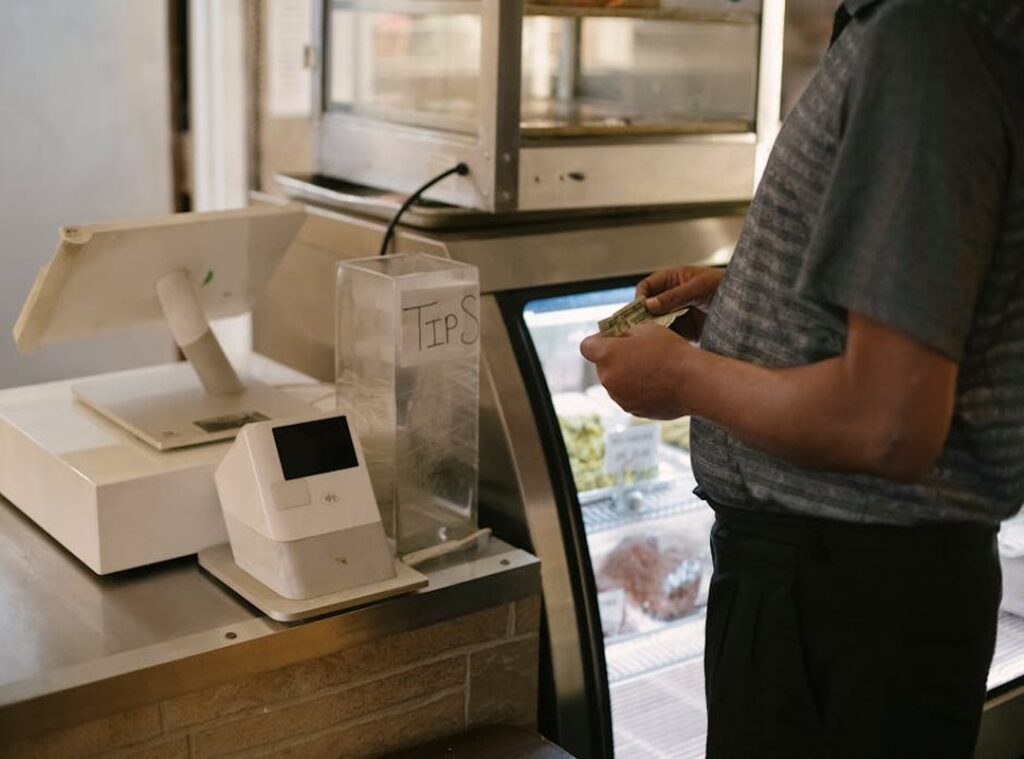
Saving money at home feels impossible sometimes.
I know because I’ve been there (staring) at the same bills every month, wondering where it all goes.
You want to save. But you don’t want to live on rice and beans forever. And you’re tired of tips that sound great until you try them (like “just meal prep for 17 people”.
Who are these people?).
This isn’t theory.
I cut my own household costs by 22% last year. Not by going extreme, but by changing small things most people ignore.
Like swapping one lightbulb. Or pausing before hitting “buy now” on something you’ll use twice. Or knowing exactly when your fridge is costing more than it should.
These are Home Economy Tips Ththometech. Not vague advice, not get-rich-quick nonsense.
Just real moves that work in real homes with real budgets.
You’re not looking for a lecture. You want to know what to do today. So I’ll tell you.
No fluff. No jargon. Just steps you can take right now.
And see results fast.
Your Energy Bill Is Bleeding You Dry
I pay my electric bill every month and still feel shocked. You do too. It’s the second biggest home expense after rent or mortgage.
That’s why I started digging into Home Economy Tips Ththometech. Not for fun, but because I was tired of watching money vanish into thin air. (Yes, that link goes to real, no-BS advice.
Not fluff.)
Phantom load? That’s the power your TV, charger, and coffee maker suck up while “off.”
I unplugged six things last week. Saved $12 last month.
You’re probably leaking $20 ($30) a month without knowing it.
LED bulbs cost more up front. But they last ten years and use 75% less power. I swapped all mine in one Saturday afternoon.
Turning my thermostat up 3° in summer and down 3° in winter cut my heating and cooling bill by 12%.
Smart thermostats help (but) you don’t need one to start saving.
Drafts at windows and doors? They’re stealing heat and AC. I sealed mine with $8 weatherstripping.
Felt warmer the same day.
Furnace filters get clogged. Fast. I check mine every 30 days.
Discover practical ways to enhance your household finances with innovative solutions from Ththometech that can streamline your home economy.
Change them every 60. My furnace runs quieter and cheaper.
None of this is hard. It’s just not automatic. So why wait for your next bill to sting?
Stop Paying Too Much for Food
I used to spend $120 a week on groceries.
Then I started planning meals before I opened the app or walked into the store.
You know that voice in your head saying “I’ll just grab one thing”? It lies. Make a meal plan for the week (then) make your list.
Stick to it like it’s a contract you signed.
Buy generic brands for rice, pasta, canned beans. Compare unit prices. Not just the big number on the front.
That 24-ounce box might cost less per ounce than the 12-ounce one. (Yes, I check the tiny print. It matters.)
Leftovers aren’t sad. They’re next-day lunch. Or fried rice.
Or soup stock. Store food right. Carrots in water, herbs in damp paper towels, berries rinsed after you open them.
Cook at home more. Not fancy. Not Instagram-ready.
Just real food you control. Skip takeout two nights a week. That’s $40 gone. every week.
Food waste costs the average family $1,500 a year.
You’re throwing money in the trash and calling it dinner.
Home Economy Tips Ththometech is about noticing where money leaks. Then plugging it. No magic.
Just choices. What’s one thing you’ll change this week?
Water Wisdom That Actually Works
Water bills surprise me every time.
They creep up like weeds in a garden you forgot to tend.
I turn off the tap while brushing my teeth. You do too, right? Or do you let it run like a tiny river?
Showers longer than five minutes cost real money. I set a timer. Sometimes I forget and yell at myself mid-lather.
(It works.)
A dripping faucet wastes 3,000 gallons a year. That’s not theory. I measured mine once.
It shocked me.
Fix leaks fast. Toilets especially. A silent leak can dump 200 gallons a day.
Just listen at night.
Run the dishwasher only when full. Same with the washing machine. Half-loads are just expensive habits dressed up as convenience.
Rainwater collection isn’t for hippies.
It’s for people who hate paying $0.005 per gallon to water their basil.
Greywater reuse? Only if your local code allows it. Don’t guess.
This is basic Home Economy Tips Ththometech. Not magic, just math and muscle memory.
You’ll find more practical stuff like this at Home Technology Ththometech.
Call the city first.
Stop treating water like it grows on trees. It doesn’t. And your bill knows it.
Fix It Before It Costs More
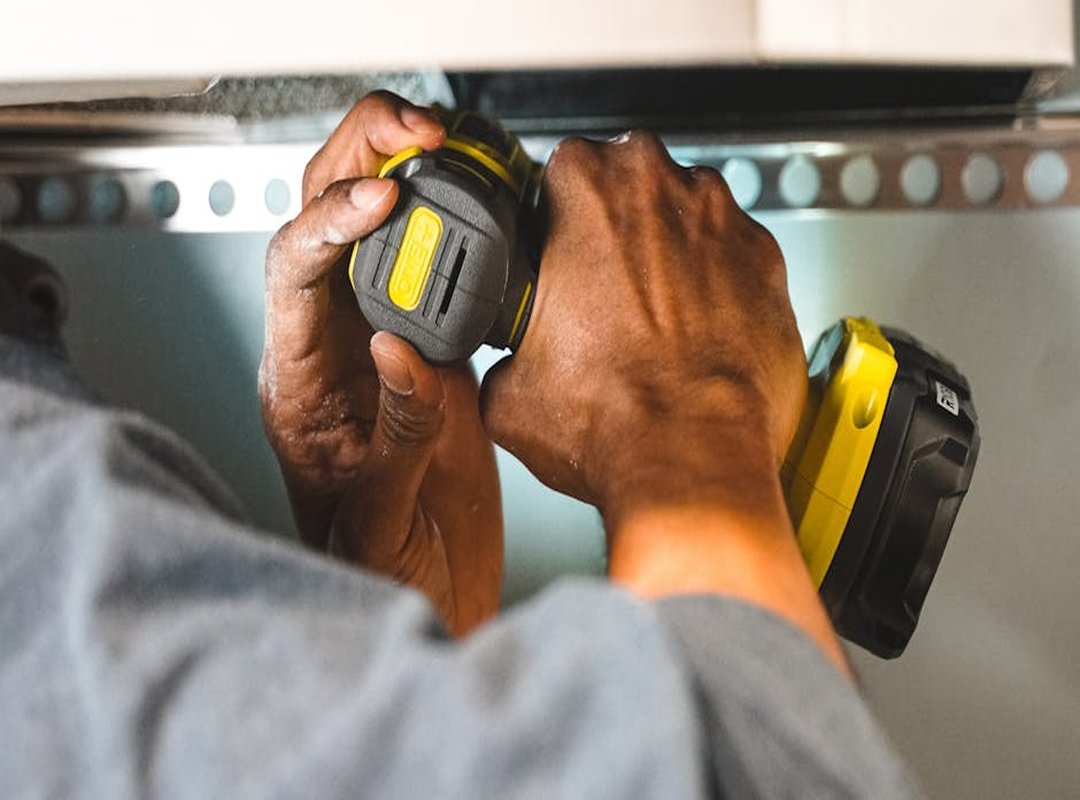
I paid $120 to unclog a sink last year.
The guy showed up, ran a snake for six minutes, and handed me a bill.
You don’t need a pro for that.
Change a light fixture. Unclog a drain with baking soda and vinegar. Patch a drywall hole with spackle and a putty knife.
These aren’t skills reserved for contractors.
They’re basic home literacy.
YouTube has clear, real-time videos showing exactly how (no) jargon, no fluff. I watched one before replacing my bathroom faucet. It took 22 minutes.
(The old one leaked for three months.)
Preventative maintenance isn’t boring.
It’s avoiding a $400 water heater failure because you ignored the pilot light flickering.
Clean gutters twice a year. Test smoke detectors monthly. Check hose bibs before winter.
Tools? Don’t buy a $90 pipe wrench for one job. Borrow from a neighbor.
Or find a tool library in your city. (Yes, those exist.)
This isn’t about being handy.
It’s about not getting ripped off for something simple.
Small repairs pile up fast. That $120 sink bill? It’s part of why people ignore bigger issues.
Until they can’t.
Home Economy Tips Ththometech starts here: know what you can do yourself.
Then do it.
No ceremony.
No permission needed.
Smart Spending Habits That Stick
I cancel subscriptions I forget exist.
You do too.
I check my bank statement like it’s a mystery novel (who) charged me $12.99 for what? Gym memberships. Streaming apps.
Cloud storage I never open.
I buy second-hand furniture. A $40 dresser from Facebook Marketplace held up longer than my last relationship. (True story.)
I track every dollar for one month. Not with an app. Pen and paper.
You’ll see where money vanishes.
Before buying anything over $25, I ask: Do I need this (or) just want it right now?
That question alone cut my spending by 30%.
I don’t budget to restrict myself. I budget to know where I stand.
Home Economy Tips Ththometech starts here (not) with fancy tools, but with clear eyes and honest questions.
Check out Home Friendly Tech Ththometech for gear that supports real habits, not hype.
Save Without the Stress
I tried these Home Economy Tips Ththometech myself. They worked. Not tomorrow.
Not “someday.” Today.
You’re tired of choosing between groceries and the electric bill.
You want real savings. Not vague advice or guilt trips.
Start with one thing. Just one. Swap a bulb.
Cancel one subscription. Cook one extra meal at home.
That’s it. No overhaul. No spreadsheet.
No shame.
Small moves add up faster than you think. And they stick. Because they’re yours (not) some rigid plan.
Your wallet feels lighter right now. Fix that. Pick one tip.
Do it before bedtime tonight.
 Sylrith Marrowlance writes the kind of gadget exploration and technology analysis content that people end up bookmarking because they know they’ll need it again later. Not because the writing tries to overwhelm readers with specifications or technical flexing, but because Sylrith has a very good instinct for identifying what actually matters once a device leaves the controlled environment of a press release and enters somebody’s daily routine. They covers Gadget Exploration Guides, Latest Tech Innovations, and Curious Explorations with a level of patience that’s become increasingly rare in technology writing. Instead of rushing toward conclusions, Sylrith tends to sit with a product or trend long enough to understand where the real value — or frustration — actually lives.