
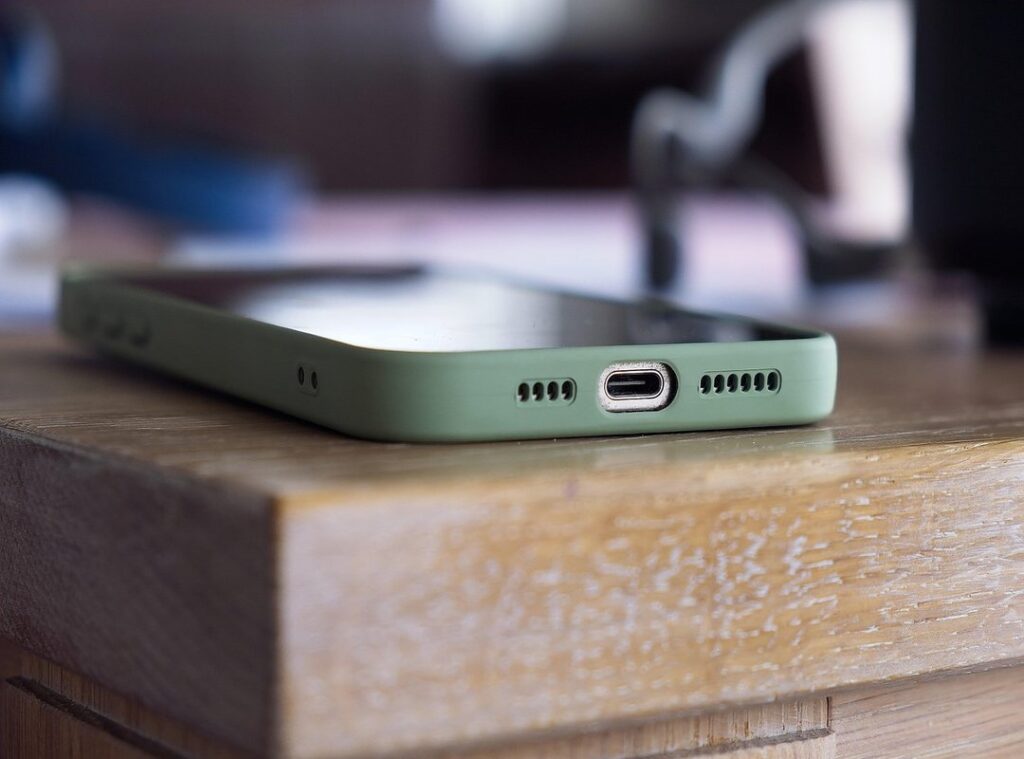
The mobile device market can feel overwhelming. You stare at countless options and worry about making an expensive mistake. I get it.
This article is your smartphone buying guide. My goal is to give you a straightforward approach for picking the right mobile device.
With years of experience analyzing tech trends and understanding user needs, I’ll offer takeaways that go beyond basic specs.
You’ll get practical advice tailored to your individual requirements, so you can make informed decisions.
A methodical approach helps you avoid buyer’s remorse and ensures long-term satisfaction.
Don’t let fear of choosing the wrong device hold you back. By the end, you’ll feel confident in your purchase.
Let’s cut through the noise and find the mobile device that fits your life best. You deserve to get through this market with confidence.
Get Real: Define Your Mobile Needs and Budget
You can’t just dive into the smartphone market without knowing what you need. It’s a waste of time. Start by asking yourself how you’ll use the device.
Are you a gamer, a photographer, or just a social media junkie? And don’t pretend you’ll magically figure it out later. Define it now.
Next, think about your operating system preference. It’s really iOS versus Android. Apple’s all about simplicity, while Android offers customization.
Which one fits your vibe? If you’re already tied to a bunch of apps in one space, that should guide your choice.
Now, let’s talk money. Be honest about your budget. Include not just the phone but also accessories and potential added costs like data plans.
Overlook these, and you’ll find yourself overspending in no time.
What about expectations for longevity? If you want a phone that’ll last, that impacts both your budget and the features you prioritize. Think about software updates and durability.
A short-term cheaper option might cost more in the long run.
This “smartphone buying guide” isn’t just about specs and prices. It’s about understanding your needs first. That’s how you avoid buyer’s remorse.
So take the time to really figure it out before you swipe your card.
Decoding Core Specs: What Matters
Let’s cut through the noise of tech specs. Ever wondered why your phone lags or why photos don’t pop? It’s all in the details, and I’ll break it down for you.
The processor is your phone’s brain. It’s like having a personal assistant multitasking for you. If you’re a casual user, you can get by with something simple.
Power users, you’ll want more muscle for gaming or editing.
Then there’s RAM. More RAM, smoother experience. But be real about your needs.
Most folks don’t need crazy amounts unless you’re juggling apps like a circus performer.
Storage is another beast. Photos, videos, apps. They eat up space fast.
Cameras are tricky. Megapixels get all the hype, but don’t be fooled. Apertures and lenses matter too.
If you’re not into cloud storage, go for more internal memory. Otherwise, you’ll be deleting stuff constantly.
Casual shots? You don’t need much. But if you’re aiming for high-quality photos, invest in better hardware.
Connectivity is sneaky. 5G, Wi-Fi 6/7. These aren’t just buzzwords. They’re about future-proofing.
Think speed and reliability.
For more subtle tech comparisons, you might find comparing home assistants insightful. This smartphone buying guide is about making informed choices, not just following trends.
Screen, Battery, and Build: The Essentials
When you’re picking a smartphone, the screen is your portal to the world. Display technology matters. LCDs are bright, but OLED and AMOLED displays offer richer colors and deeper contrast. They can make a sunset photo look almost real.
But watch out for battery drain; these displays can be hungry. Refresh rates are another thing. Once you see 120Hz in action, going back to 60Hz feels like stepping into the past.
Size matters too. A screen that fits your hand is key. Too big and you might struggle with one-handed use.
Resolution isn’t just a number, though. HD, Full HD, QHD. They impact clarity.
You want crisp text and lively videos, right?
Battery life is often overhyped. A bigger mAh number sounds good, but real-world use tells the truth. Software optimization plays a big role.
Phones with smaller batteries often last longer because they manage power better.
Let’s talk build. Plastic is light but feels cheap. Glass looks sleek but can shatter.
Metal is strong, giving a premium feel and some weight. Check for IP ratings for water and dust resistance. It’s about knowing what fits your life.
In this smartphone buying guide, focus on what truly matters to you.
iOS vs. Android: The Real Showdown
When it comes to choosing between iOS and Android, you’re facing a classic debate. Let’s be honest: iOS shines with its strong security and smooth integration across Apple devices. You know the feeling of using an iPhone with your MacBook?
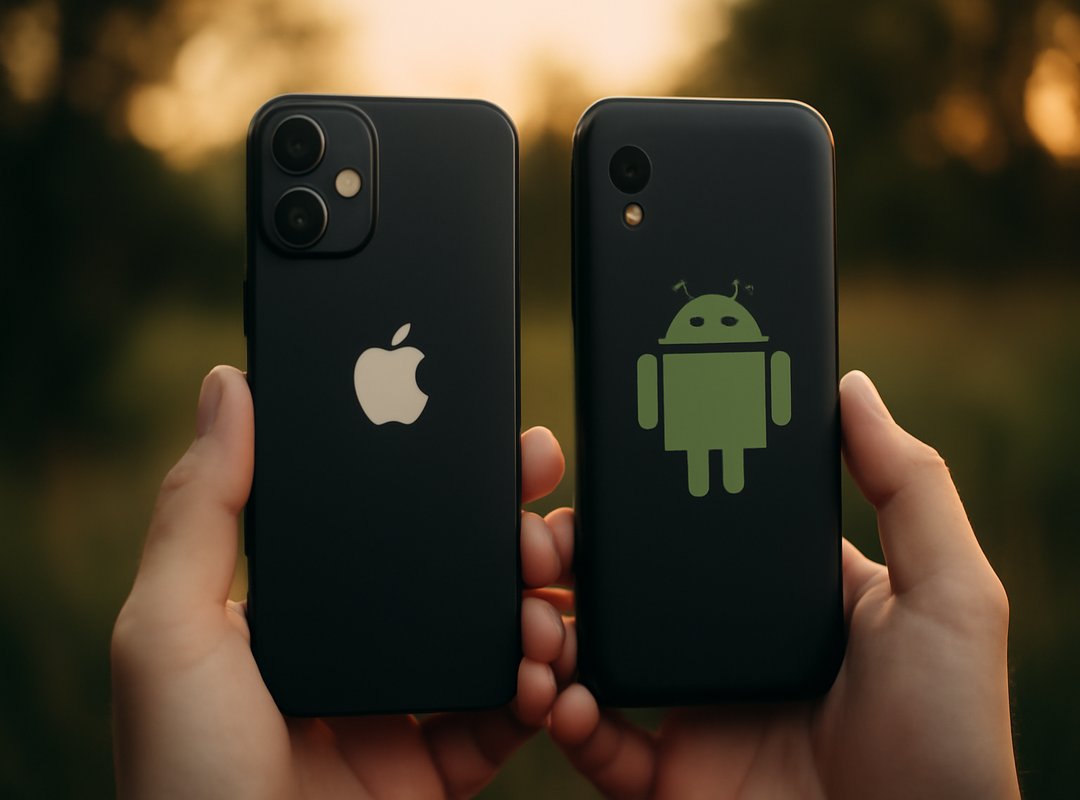
It just works. Updates are consistent and keep you in the loop. Sure, there’s less flexibility, but that’s the trade-off for consistent performance.
On the flip side, Android offers a different set of perks. Customization is king here. You can tweak your phone to fit your life, not Apple’s.
Plus, the variety of devices means there’s a price point for everyone. Have you looked at how many Android phones are out there? Mind-blowing.
Now, switching between these ecosystems is a headache (let’s not sugarcoat it). Data transfer can feel like moving house. And your learning curve.
It’s more of a steep climb.
But don’t just take my word for it. Dive into a smartphone buying guide to really weigh your options. Does Android’s open-source flexibility appeal to you more, or does iOS’s space win your heart?
It’s your call.
Tech Buying Smarts: Nailing Your Next Purchase
Buying a new gadget? Don’t just rush to the nearest store. Let’s talk about where to buy first.
Direct from manufacturers or carriers usually means guaranteed authenticity, but you might miss out on deals. Then you’ve got authorized retailers and reputable online stores, which can offer competitive prices but be wary of too-good-to-be-true deals.
Next, warranties and return policies. Read them. Seriously, how many folks get stuck with a gadget that doesn’t work because they skipped this step?
Make sure you know warranty coverage and return conditions. You don’t want surprises.
Thinking refurbished? Good call if you’re savvy. But focus on certified refurbished devices.
They usually come with warranties, making it less risky.
Now, setting up your new device. Prioritize security: passwords and biometrics. Update your software immediately.
Always. It’s your first line of defense. Transfer your data safely, too.
And don’t forget accessories like screen protectors or cases. They’re not optional. Choose quality options that actually protect your device.
Not all chargers are created equal, either.
For broader gadget choices, check out our guide on Finding Perfect Laptop.
Equip yourself with this smartphone buying guide and shop wisely. Who doesn’t love a smart purchase?
Get through Your Device Choices
You’re now ready to tackle the smartphone market. You have the knowledge to choose the right device without the confusion. Remember, focusing on your personal needs and key specs is key.
This smartphone buying guide shows you how to sidestep common mistakes. You can find a device that truly meets your needs.
Now, it’s time to put this information to use. Start your search confidently, knowing you have the tools to make a smart choice. Don’t settle for anything less than what works for you.
Dive in and make your informed decision today.
 Uryxara Holt is the kind of technology writer who pays close attention to how industries evolve around people rather than apart from them. As the founder of OTVP Computers, they approaches Latest Tech Innovations, Tech Industry Developments, and Hands-On Tech Tips with a broader perspective than simple trend coverage. Uryxara seems deeply interested in the relationship between technology and everyday adaptation — how digital tools slowly reshape routines, expectations, businesses, and even the way people think about problem-solving itself.