

Many people think blockchain is just about cryptocurrency. That’s a mistake.
Sure, it’s a part of it, but blockchain technology uses extend far beyond wallets and trading.
I’ve spent years tracking tech innovation, and I see how blockchain reshapes industries right now.
You might understand the basics, but do you know its practical applications?
It’s not just hype; it’s a game changer in how we handle data and trust.
In this article, I’ll break down the real-world impact of blockchain technology. You’ll see clear examples that show its potential.
I’ve seen it transform processes in finance, supply chains, and even healthcare.
Trust me, this isn’t just theory.
I’ll give you takeaways based on firsthand experience and research.
You’ll walk away with a better understanding of how blockchain can benefit various sectors.
Let’s demystify this tech together and explore its true power.
Beyond Crypto: Blockchain’s Core Principles
Blockchain is not just about Bitcoin. It’s much bigger. At its heart, blockchain is about decentralization.
No single point controls it, which is a game changer. Then there’s immutability. Once something is recorded, it’s there for good.
No take-backs. And transparency? Everyone can see what’s happening.
This is why blockchain technology is set to revolutionize everything from finance to supply chains.
People often confuse blockchain with cryptocurrencies. But that’s just one part of the story. The real magic lies in its diverse applications.
Take smart contracts, for example. They’re self-executing agreements on the blockchain. No middlemen needed.
Transactions happen automatically and trust is built right into the code.
Now, why does this matter? Think about industries dependent on trust and security. They can all benefit from blockchain’s core principles.
Imagine a world where real estate deals, healthcare records, and even voting systems operate seamlessly on blockchain. This isn’t just futuristic talk. It’s happening now.
And let’s not forget other tech marvels. The Quantum Computing Frontier is already changing how we approach encryption. Blockchain combined with quantum computing?
That’s a conversation we’ll be having sooner than you think. The world of possibilities is vast.
Decentralized Finance: The New Frontier
Blockchain technology uses are shaking up finance. It’s like the Wild West, but with fewer cowboys and more code. People are lending, borrowing, and trading peer-to-peer without traditional intermediaries getting in the way.
Imagine your bank being just… you.
Cross-border payments? They’re faster and cheaper. You know that migraine-inducing wait for international transfers?
Gone. Transparency is another perk, making the whole thing feel less like a magic trick and more like a clear transaction.
Asset tokenization is another game-changer. Turning real-world assets into digital tokens sounds sci-fi, but it’s happening. Real estate, art, even commodities are being split into tokens, boosting liquidity and allowing fractional ownership.
Now, owning a piece of a Picasso isn’t just for the super-rich.
Take stablecoins and blockchain-based remittances. They’re practical examples of financial services getting a revamp. Stablecoins keep value stable while blockchain remittances are transforming how money is sent globally.
We’re talking fewer fees, more reach.
Pro tip: Keep an eye on this space. It’s not just a trend; it’s a seismic shift. If you think traditional banks are sweating, you’re right.
They’re scrambling to catch up.
Enhancing Supply Chains: Traceability, Trust, and Efficiency
Blockchain technology uses a digital ledger to create an immutable record of a product’s journey. Imagine it like a diary that can’t be tampered with. Every step, from the farm to your table, is recorded.
This transparency reduces fraud and verifies if your coffee is ethically sourced or if your sneakers are legit. No more questioning if that label telling you “sustainably sourced” is real.
Think about the last food recall you heard about. With blockchain, tracing contaminated products becomes as easy as following breadcrumbs. It’s fast, precise, and can save lives (plus a lot of money).
Picture tracking luxury goods the same way. You’d instantly confirm if that “authentic” watch is genuine or just a knockoff.
Now, add smart contracts to the mix. These are self-executing agreements with terms directly written into code. They automate payments and logistics once conditions are met.
More like having a robot accountant who never makes a mistake.
So, is this all hype? No. It’s happening.
Blockchain is not just a buzzword; it’s reshaping the way we track and trust. And frankly, it’s about time. Why leave your supply chain to trust when you can have certainty?
Secure Identities and Data Management: Privacy in a Digital World
Let’s talk about Self-Sovereign Identity (SSI). This isn’t just tech jargon. It’s a huge deal.
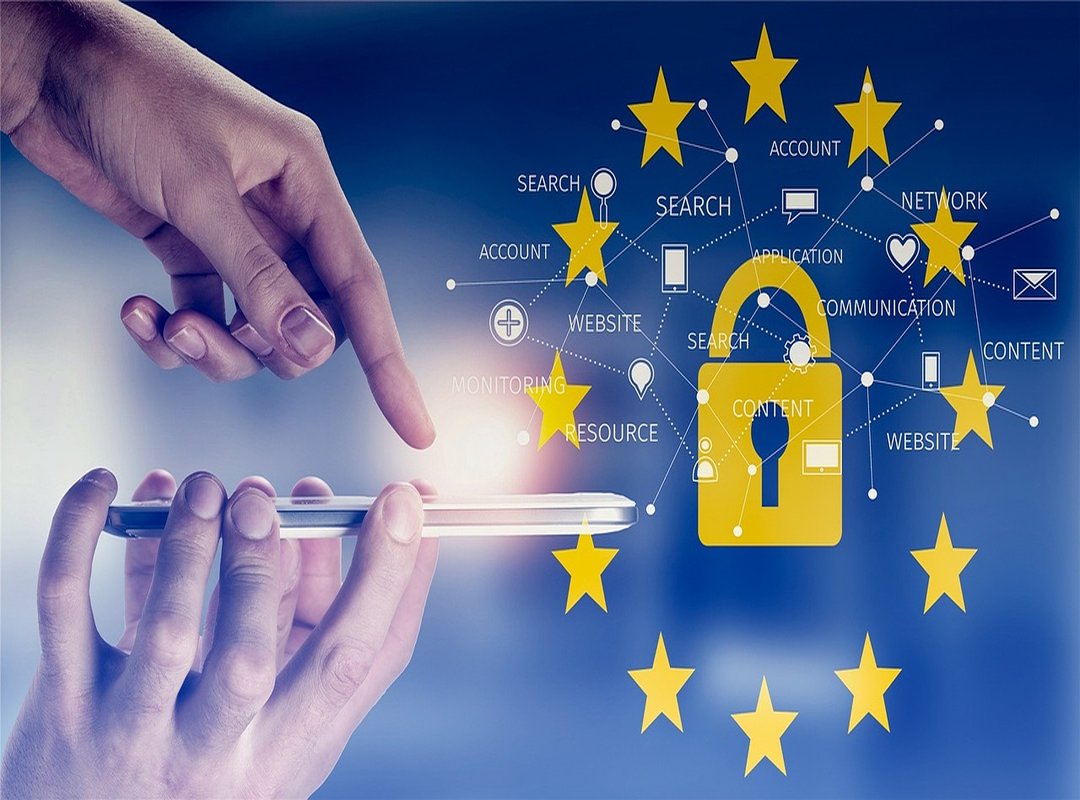
You control your own digital identity, thanks to blockchain. Imagine holding your data like a wallet. You’re not handing it out to every Tom, Dick, and Harry online.
How’s it applied in real life? Take healthcare. Sharing medical records is a nightmare.
Blockchain makes it secure and simple. It’s like giving doctors a peek into your file without them snatching it away. Data integrity?
Check. Privacy? Double-check.
Now, think about data security. Blockchain isn’t some magic spell, but it sure makes tampering hard. No more unauthorized access.
Industries everywhere are catching on, using blockchain to lock down sensitive info.
Let’s not forget verification processes. They’re a pain, right? Blockchain could simplify these, enhancing privacy.
Digital credentials and voting systems? They could get the boost they need.
Curious about more blockchain technology uses? Dive into this overview for a broader look.
In a world that’s constantly poking into our private lives, blockchain offers a bit of hope. Maybe it’s not the ultimate fix, but it’s a start. It’s about time we got control back.
Emerging Frontiers: Gaming, NFTs, and IoT
Blockchain technology uses are popping up everywhere, but gaming is where it gets interesting. Imagine truly owning your in-game assets, thanks to NFTs (Non-Fungible Tokens). These aren’t just digital art pieces.
They’re collectibles, intellectual property, and even event tickets. Now, picture play-to-earn models where your time in a game translates into real-world rewards. It’s like finally getting paid for all those hours slaying dragons.
But wait, there’s more. Blockchain’s integration with the Internet of Things (IoT) is a game-changer. It secures data exchange between devices, enabling automated machine-to-machine transactions.
That’s a fancy way of saying your fridge might soon order milk for you (without screwing up). And with better device authentication, your smart home actually stays smart.
Let’s not forget decentralized autonomous organizations (DAOs). These are setting the stage for new governance structures. Imagine running a company without traditional management.
Sounds chaotic? Maybe. But it’s happening.
And while we’re on tech, ever wonder how AI is transforming healthcare? Our Ai Role Hospitals page dives into that. Blockchain, IoT, NFTs.
It’s a wild ride, and we’re just scratching the surface.
Unlocking Blockchain’s True Potential
Your search for blockchain technology uses has led you to understand its wide-ranging impact. Many still see it as just a cryptocurrency tool. But its real potential lies in decentralization, immutability, and transparency.
These principles tackle trust, efficiency, and data security head-on.
I encourage you to dive deeper. Explore specific applications relevant to your interests. Stay informed about the ongoing advancements in this field.
Don’t let misconceptions hold you back.
The future is here. Take action now. Discover how blockchain can revolutionize your industry and solve your problems.
Start exploring today.
 Uryxara Holt is the kind of technology writer who pays close attention to how industries evolve around people rather than apart from them. As the founder of OTVP Computers, they approaches Latest Tech Innovations, Tech Industry Developments, and Hands-On Tech Tips with a broader perspective than simple trend coverage. Uryxara seems deeply interested in the relationship between technology and everyday adaptation — how digital tools slowly reshape routines, expectations, businesses, and even the way people think about problem-solving itself.