
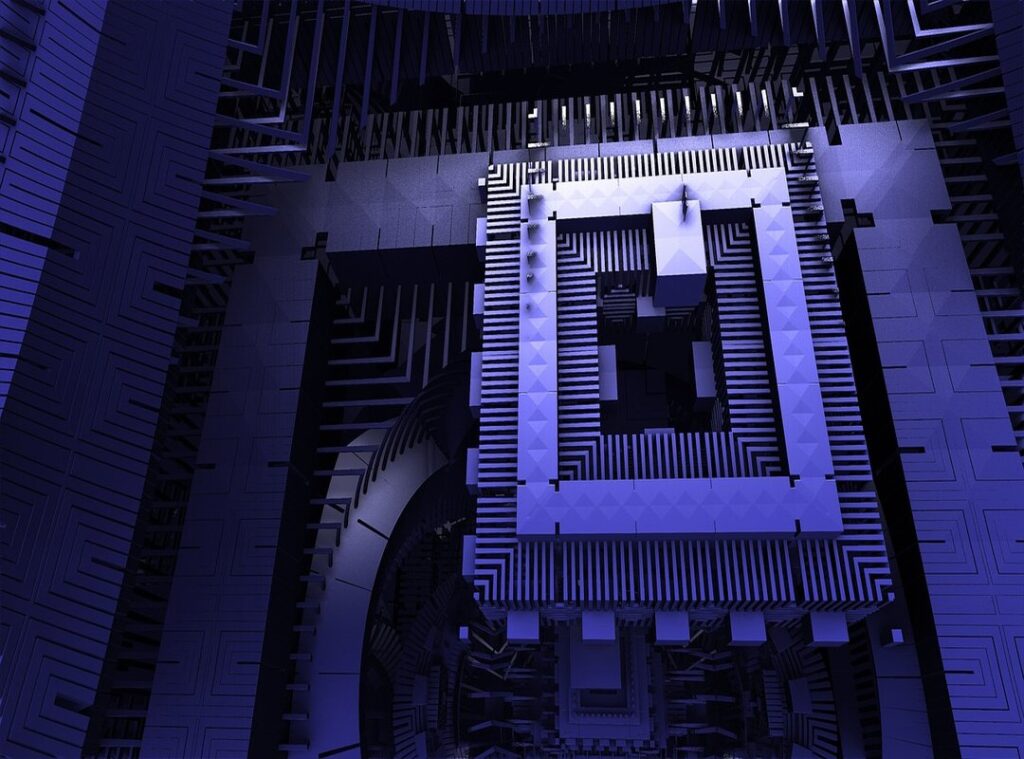
The world of technology is spinning faster than ever. It’s dizzying, right? Keeping up with modern advancements can feel impossible.
That’s where I come in. I want to help you understand the quantum computing future and what it means for all of us.
This article dives deep into the latest advancements in quantum computing technology. I’ll break down the complex jargon and highlight what really matters. You’ll find takeaways from research papers, industry reports, and interviews with experts.
No fluff, just the facts.
I aim to demystify this often-overhyped field and provide a clear, accessible understanding of where we stand today. Why does it matter? Because these breakthroughs could change everything (from) how we process information to solving problems we can’t tackle with today’s computers.
I’m committed to investigative journalism in tech. I keep my finger on the pulse of new innovations. You can trust that what you read here is well-researched and reflects the latest developments.
Get ready to explore the quantum area with me. Let’s make sense of this exciting, rapidly evolving technology. You’ll walk away with knowledge that is both deep and practical.
The Quantum Canvas: A New Brush for Computing
Quantum computing. Sounds like science fiction, right? But it’s not.
It’s reality, and it’s shaking up how we think about computers. At its core, quantum computing uses qubits. These little guys are different from the bits in your laptop.
Qubits can be in multiple states at once thanks to superposition. It’s like a cat being both alive and dead until you check (thanks, Schrödinger).
Then there’s entanglement. Two qubits can become linked, so the state of one instantly affects the other. This is why quantum computers can handle complex problems that make classical computers sweat.
So, what’s the big deal? Why does this matter for the quantum computing future?
This is the “quantum advantage” folks are buzzing about. But we’re not there yet. Research is ongoing in hardware, software, and algorithms.
Here’s the kicker: quantum computers aren’t just faster. They’re different. They tackle problems in optimization, simulation, and cryptography that classical computers can’t even touch.
Curious about tech’s other frontiers? Check out robotic advancements manufacturing. It’s a wild ride, and we’re just getting started.
Hardware Horizons: Racing for Strong Qubits
I get it, the quantum computing future sounds like sci-fi, but it’s happening. Have you tried keeping up with the quantum race? It’s a headache.
Google’s superconducting qubits and IonQ’s trapped ions are duking it out, each claiming to be the next big thing. But let’s talk about the pain: error correction. Quantum bits (qubits) are maddeningly fragile.
They’re like toddlers (unpredictable) and constantly needing supervision.
Superconducting qubits, for instance, are cool but noisy. Photonic qubits from PsiQuantum? They sound promising, but integrating them into large-scale processors is another beast.
I won’t even start on qubit coherence times. It’s frustratingly short, stalling real progress. Yet, recent advances are eking out more time, which is key.
Quantum noise is another nightmare. But smart folks in labs everywhere are tackling it with new error correction techniques, probably saving us from quantum disaster. It’s like trying to build a skyscraper on quicksand.
In the end, engineering a quantum processor isn’t just about adding more qubits. It’s about maintaining the ones we have, making them work together without glitching into oblivion. That’s the real challenge.
Quantum Alchemy: Shaping Tomorrow’s Tech
Quantum computing is about to change how we tackle complex problems. Have you heard of variational quantum eigensolvers (VQE) or quantum approximate optimization algorithms (QAOA)? They’re making waves with their potential applications in various fields.
These new tools could revolutionize everything from drug discovery to optimizing logistics. It’s not just science fiction anymore.
But as with any tech, it’s never without challenges. Error correction codes, like surface and topological codes, are no longer just theory. They’re inching closer to practical use, and that’s big news for the quantum computing future.
Now, let’s talk quantum programming. Platforms like Qiskit, Cirq, and PennyLane are stepping up, making quantum computing more accessible. Developers finally have the tools to dive into this exciting world.
And don’t overlook hybrid quantum-classical algorithms. They’re key for leveraging our current noisy intermediate-scale quantum (NISQ) devices. We can’t ignore the potential impact of these advances.
Curious about how AI might play a role in this evolution or perhaps in ai role hospitals? It’s a world full of possibilities, and we’re just scratching the surface.
Quantum’s Footprint: Real-World Applications
Ever think about how quantum computing is shaking things up? It’s everywhere, honestly. In pharmaceuticals, researchers are diving deep with quantum to speed up drug discovery.

They’re not just talking about it; companies like IBM are actively using it. Materials science? Same story.
Quantum computers are unraveling complex material properties that were previously off-limits.
These advancements aren’t just theoretical (actual) money is on the line.
Finance is another hotbed. Firms are experimenting with quantum algorithms for portfolio optimization and fraud detection. The quantum computing future is now.
The intersection of quantum and AI is where things get even messier. Imagine the power of quantum machine learning. We’re talking about breakthroughs that make traditional AI look like child’s play.
Curious? Check out this quantum ai the future of computing.
And then there’s cybersecurity. It’s a race against time. Quantum-resistant algorithms are being developed because current encryption?
Sitting ducks once quantum becomes mainstream. Does it keep you up at night? It should.
The implications are vast, and the stakes are high. The shift is happening. Blink, and you might miss it.
The Uncharted Territory: Challenges and the Path Forward
Quantum computing is this bizarre, mind-bending frontier. The challenges? They’re not small.
Scalability is a beast. Error rates are another monster altogether. And let’s not forget the high operational costs.
Plus, the “quantum talent gap” is real. Who’s going to solve these problems if we can’t even find the right people?
Now, let’s talk ethics. As quantum tech spreads, privacy issues could explode. Economic disruption might follow.
Are we ready for that kind of shake-up? Frankly, I doubt it. Governments and private companies are pouring money into research.
But will it be enough?
Here’s a thought. What if the future of quantum computing isn’t about machines but people? Crazy, right?
Investment is surging, but I wonder if we’re investing in the right things. Key initiatives are popping up everywhere, fueling hope. But will they lead us to the breakthroughs we need?
In five to ten years, expect to see speculative breakthroughs. Maybe even a quantum leap (pun intended) in understanding. The quantum computing future is uncertain.
Yet, isn’t that what makes it exciting?
Your Path in the Quantum World
You’ve navigated the complex space of advancements in quantum computing. I hope this journey clarified the rapid evolution of quantum tech and the need for reliable takeaways.
Staying informed in this field is important. The shifts in hardware, algorithms, and applications are key to understand.
What’s your next step? Curious minds should seek out academic papers and explore open-source quantum platforms.
Don’t stop here. Engage with ongoing discussions in the tech community to keep pace with developments.
Your understanding of the quantum computing future depends on proactive exploration.
Stay curious, ask questions, and dive deeper.
Start now. Explore the resources, and stay ahead of the curve. Your tech-savvy self will thank you.
 Sylrith Marrowlance writes the kind of gadget exploration and technology analysis content that people end up bookmarking because they know they’ll need it again later. Not because the writing tries to overwhelm readers with specifications or technical flexing, but because Sylrith has a very good instinct for identifying what actually matters once a device leaves the controlled environment of a press release and enters somebody’s daily routine. They covers Gadget Exploration Guides, Latest Tech Innovations, and Curious Explorations with a level of patience that’s become increasingly rare in technology writing. Instead of rushing toward conclusions, Sylrith tends to sit with a product or trend long enough to understand where the real value — or frustration — actually lives.