
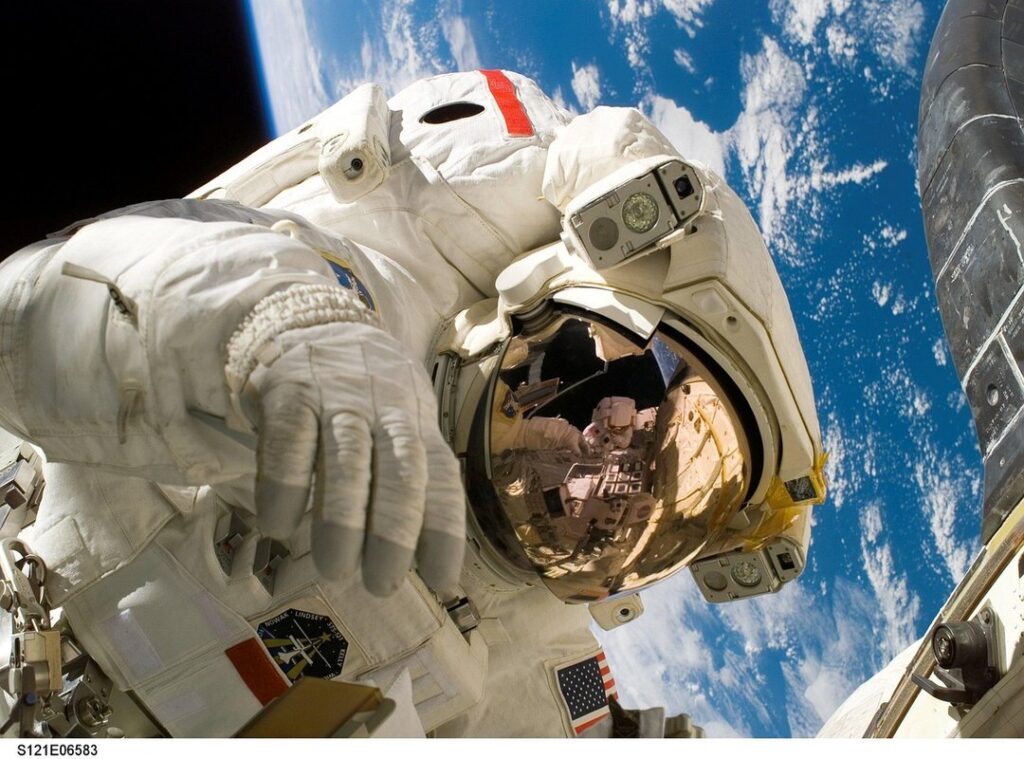
When you think of space, do you picture distant planets and astronauts floating in zero gravity? It’s easy to see space as something far away. But here’s the kicker: space technology actually impacts your life in ways you might not even realize.
This article dives into the space tech impact on our everyday existence.
I want to explore how advancements in space technology solve real problems, from improving communication to monitoring our climate. What seems like abstract tech is deeply woven into our daily routines.
I believe that understanding these connections is key.
You’ll see how innovations in the cosmos lay the groundwork for many advancements we take for granted on Earth. I’ve done my homework on this, and I’m here to share takeaways that will broaden your view.
Get ready for a journey that reveals the deep influence of space technology on our world and its potential for the future.
Beyond the Stars: Space Tech’s Reach
Space technology isn’t just about rockets and satellites. It’s a complex web of systems and tools that stretch far beyond what you might see in sci-fi movies. When you think about it, space tech impact is everywhere.
From materials engineering to computer science, it’s a melting pot of disciplines. Ever wondered how your GPS works? Thank space tech for that.
This field was born from Cold War tensions and scientific curiosity. Those initial drivers have shifted. Now, space technology is about commercial ventures, saving the planet, and even helping people.
It’s fascinating how motivations evolve, isn’t it?
What truly blows my mind is how space tech changes our perspective. Looking at Earth from orbit, we see global patterns and local details in ways that are impossible from the ground. This isn’t just a change in view; it’s a shift in understanding.
We start to see our world as a connected whole.
Then there are the ‘spin-off’ technologies. Things developed for space but used here on Earth. They’ve changed everything from healthcare to environmental monitoring.
This isn’t just tech for astronauts. It’s tech for all of us. Ever used a memory foam mattress?
That’s space tech at work.
Space Tech Impact: Everyday Game-Changer
You ever think about how much we owe to space technology? It’s wild. GPS, for instance, started as a military tool before creeping into our daily lives.
Now, it’s the backbone of navigation, ride-sharing, and even farming. Imagine your Uber driver trying to find you without it. Precision agriculture?
Farmers use it to maximize yields. It’s not just a convenience; it’s a necessity.
Then there’s satellite communication. It keeps us connected globally, making remote learning and emergency services possible. I’ve seen how it bridges the gap in underserved areas, delivering education and information where it’s needed most.
Without satellites, we’d be lost in more ways than one. And don’t even get me started on how they let emergency services to function effectively.
Weather satellites save lives. They’re not just telling us if we need an umbrella. They’re predicting hurricanes and floods, giving us a fighting chance against nature.
Long-term climate monitoring is another perk. As someone who frets over climate change, I find this data key.
Remote sensing applications are equally fascinating. Satellites track deforestation and urban sprawl, monitor water resources, and assess crop health. This isn’t just data; it’s key for managing our environment.
We need this information to make informed decisions about our planet’s future.
By the way, if you’re interested in how tech can be used for good in other ways, you might want to check out inside ethical hacking. It’s all about using tech for positive change.
Space tech’s impact is everywhere. We just need to look up.
Space Tech: Catalysts Igniting Earthly Innovations
Ever wondered why your pillow feels like it hugs you back? That’s memory foam, folks. Created for NASA, it’s now your sleep buddy.
But this isn’t just a fluke of comfort tech.
What about those lenses that don’t scratch as fast as you blink? Another gem from space tech, originally designed for helmet visors. And let’s not forget water purification systems, crafted for the demanding depths of space, now blessing muddy waters here on Earth.
These aren’t just minor perks. They’re part of a broader space tech impact.
The extreme conditions in space demand innovations in materials science. Lightweight alloys, composites, and ceramics are now commonplace in industries pushing boundaries here on Earth. It’s amazing how space forces us to refine, simplify, and innovate.
Let’s not overlook renewable energy and robotics. Reliable, self-sustaining systems developed for space have trickled down to industries on Earth. The lessons learned from space have reshaped how we approach energy and AI.
Even the computational demands of space missions have driven advancements in miniaturization and computing power. Our laptops and gadgets? All benefiting from those high-stakes missions.
Would we even be as advanced without it? Now that’s worth pondering.
Space Tech: Securing Our Planet’s Future
When we talk about safeguarding our future, space technology stands out. It’s not just about flashy rockets; it’s about the space tech impact on our planet. Earth observation satellites?

They’re like our eyes in the sky, watching over climate changes. Sea levels rising, glaciers melting, carbon emissions. Satellites feed us this key data.
But it’s not just about climate. Space tech plays a huge role in disaster relief. Real-time imagery helps assess damage and coordinate aid.
Ever seen a satellite image of a hurricane’s aftermath? It’s both terrifying and useful. We see where help’s needed most.
Space technology also enhances global security. Surveillance, early warnings, even arms control verification. It’s like having a global security camera, providing stability in a chaotic world.
And let’s not forget space debris. It’s a growing problem. Tracking and mitigation technologies are in development (thankfully) to keep our satellites safe.
You might wonder how this relates to other tech. It’s all interconnected. For example, understanding the internet of things can help us use data from space tech efficiently.
Space tech isn’t just a tool; it’s a necessity for both environmental protection and security.
The Next Frontier: Space and Ethics
Space tech is reshaping our world. Think about space tourism. It’s no longer a sci-fi dream.
Soon, you’ll buy a ticket to orbit. Private satellites are everywhere, creating mega-constellations. Yet, who owns these space resources?
That’s a big question.
Propulsion systems are evolving, too. Electric and nuclear propulsion mean faster trips and maybe even human settlements on other planets. But let’s not forget the ethical questions.
What happens when mega-constellations impact our view of the stars? And the threat of weaponizing space? That’s a scary thought.
Then there’s the “pale blue dot” effect. When we see Earth from afar, it changes us. Makes us realize we’re all on this tiny rock together.
It sparks curiosity about our place in the universe. So, what’s the real space tech impact? It’s more than just tech.
It’s about changing perspectives and inspiring awe.
The Future is Now
I’ve shown you how the space tech impact reaches far beyond rockets and astronauts. It’s easy to underestimate how these innovations transform our daily lives and the world around us. This exploration has satisfied your need to understand that it’s all interconnected.
Space technology drives progress, and it’s reshaping our reality. So why not dive deeper? Stay curious and explore the latest tech innovations.
Visit OTVP Computers to keep informed about the next wave of breakthroughs. Don’t miss out on what’s coming next. The future is here.
Act now and keep up with the changes that matter.
 Sylrith Marrowlance writes the kind of gadget exploration and technology analysis content that people end up bookmarking because they know they’ll need it again later. Not because the writing tries to overwhelm readers with specifications or technical flexing, but because Sylrith has a very good instinct for identifying what actually matters once a device leaves the controlled environment of a press release and enters somebody’s daily routine. They covers Gadget Exploration Guides, Latest Tech Innovations, and Curious Explorations with a level of patience that’s become increasingly rare in technology writing. Instead of rushing toward conclusions, Sylrith tends to sit with a product or trend long enough to understand where the real value — or frustration — actually lives.