
Finding the right collaboration tool feels like searching for a needle in a haystack. You know what I mean. You’re bombarded with choices, but how do you find the one that truly fits your team’s needs?
Many teams get stuck focusing on basic features. They miss the bigger picture: understanding Slack software review and its actual ROI. Does it really boost productivity or just create more noise?
I’ve spent years dissecting software solutions in real-world settings. My experience gives me takeaways into how these tools function beyond the marketing hype.
This guide will help you to conduct a thorough evaluation of Slack. I’ll help you move past the flashy ads and get to what really matters.
Expect a full, hands-on investigation that cuts through the clutter. You’ll gain the clarity you need to make an informed choice about Slack as your collaboration tool. Let’s dive in.
Slack: More Than Just a Chat Window
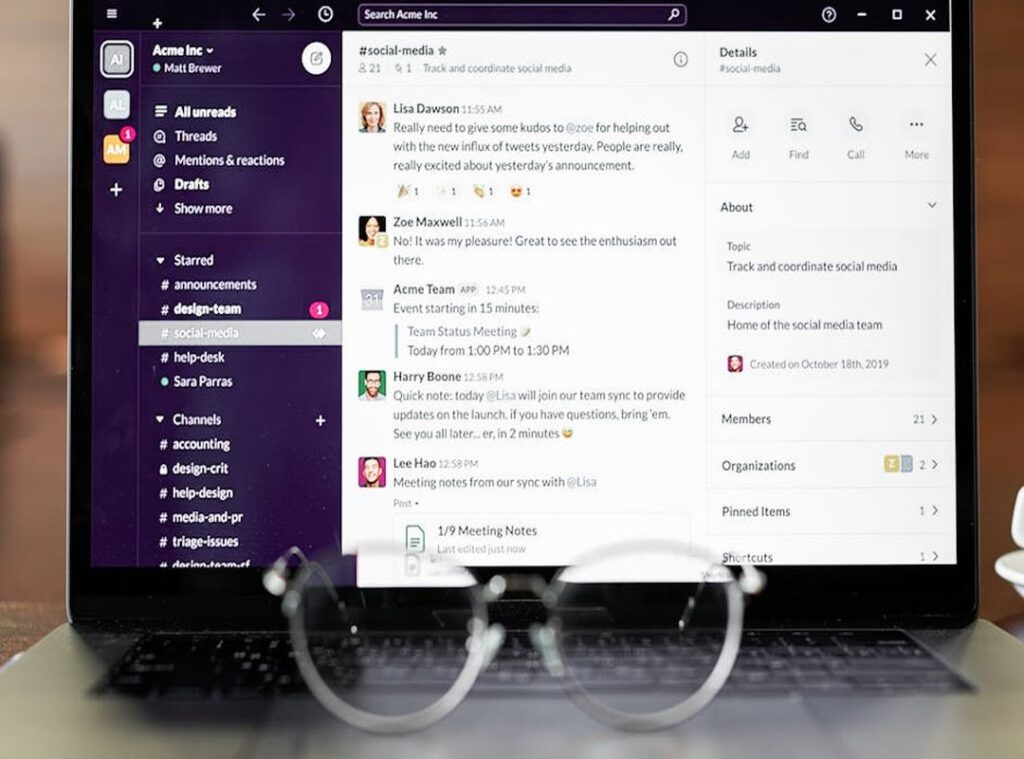
Slack isn’t just a chat app. It’s a real-time communication platform that keeps teams on the same page without drowning in emails. Ever tried sifting through endless email threads?
It’s a nightmare. Slack fixes that.
Channels are the backbone. They organize chats by project, team, or topic. You decide if they’re public (open to everyone) or private (invitation-only).
This flexibility means discussions stay relevant and personal.
Got a quick question? You don’t need a meeting for that.
And then there are Direct Messages and Group DMs. Perfect for one-on-ones or quick team huddles. It’s like texting, but with your work buddies.
Huddles and Clips add voice and video to the mix. Just hop on a call or leave a video message. It’s talking (without the awkward Zoom setup).
File sharing is a breeze. Drag, drop, done. And finding those files?
The search tool is your best friend. Need to automate your repetitive tasks? Workflow Builder has your back.
Feeling overwhelmed by app reviews? Check out the microsoft office review for a comparative look. Bottom line: Slack streamlines work by keeping communication clear and concise.
It’s a game changer for any team.
Is Slack the Right Fit for Your Team?
First, let’s be honest: no app magically solves team communication. Does Slack fit your team’s unique DNA? Before jumping into a Slack software review, take a hard look at your team.
What’s your current communication style? Are you mostly remote, co-located, or a messy combo of both?
Think about it. You can’t assess an app like Slack without understanding what you really need. Gather all the key players.
Managers, individual contributors, IT folks. Their input is key. You need a complete view.
Otherwise, you’re shooting in the dark, right?
Team size matters too. Slack could be a godsend for a small startup but chaotic for a large enterprise. Are you in healthcare or finance?
Compliance needs make a difference (and not the “” kind).
Don’t even get me started on existing tech. Check how Slack meshes with your current stack (project) management tools, CRMs, code repositories. If it doesn’t integrate smoothly, what’s the point?
Finally, do a pilot. Get a mix of users to test it. See how it feels.
Usability isn’t just a buzzword, it’s important.
Looking for more takeaways? Check out slack review 2026: an honest analysis. It’s worth your time if you’re considering Slack.
Beyond the Hype: Uncovering Slack’s Practical Strengths
When it comes to Slack, you’ve probably heard the buzz. But let’s get real. Slack’s strengths lie in its intuitive interface, channel-based organization, and solid search features.
They make transparency and knowledge sharing a breeze. You can find what you need without wading through endless threads.
Slack integrates with third-party apps to centralize workflows. This means less context switching. It’s a time-saver, but is it enough to offset potential downsides?
Information overload and notification fatigue are common complaints. They can derail your focus faster than you think.
Then there’s the cost. Slack’s pricing tiers (Free, Pro, Business+, Enterprise Grid) can get pricey. Weighing the actual cost-benefit is key for any organization.
What about security? Slack boasts enterprise-grade protocols and compliance certifications like SOC 2 and HIPAA. Is that enough to quell fears about data breaches?
Managing Slack isn’t always straightforward either. User management, channel governance, and data retention can become administrative headaches. It’s not plug-and-play.
Curious about how it compares to other software? Check out our zoom software review. It’s key to weigh all options before diving in.
Slack’s not perfect, but it has its place. Just know what you’re getting into.
Integration’s Magic: Transforming Slack into Your Team’s Nerve
Slack is just another chat app without integrations. But once you start linking it with other tools, something magic happens. It becomes the central hub for everything your team does.

Let’s talk project management. Tools like Asana and Jira sync effortlessly with Slack. It means you get updates on tasks without leaving your chat.
Why open a dozen apps when Slack can handle it all?
I think that’s a game-changer. Then there’s file storage: Google Drive and Dropbox integrate to keep files accessible. Need to schedule a quick call?
Zoom and Google Meet plug right in.
But how do you pick the right integrations? You should weigh ease of setup, feature depth, and real-time sync. Not all integrations are created equal.
You don’t want to waste time on clunky connections. Pro tip: focus on apps that really boost workflow, not just what’s trendy.
And don’t get me started on custom integrations. With Slack’s API, developers can craft bespoke bots or workflows. Think about automated reports or alerts for system errors.
It’s about creating tools that fit your team like a glove.
But beware of integration overload. Start slow, choose wisely. You want apps that genuinely simplify life.
In this Slack software review, remember: integration turns clutter into clarity. Why not make your Slack the backbone of your operations?
Crafting Your Evaluation System: Metrics That Matter
When diving into a Slack software review, you need a solid system. First, define measurable criteria. How about user adoption rates or message activity per channel?
You want to track these during a trial. And don’t forget reduction in email volume. Ask yourself: Are people saving time on specific tasks?
Consider qualitative feedback too. Gathering takeaways through surveys and interviews is gold. You uncover user sentiment and spot pain points.
Ever tried open-ended discussions? They’re eye-opening.
Now, let’s talk comparisons. Weigh Slack against other tools. Use your criteria and team needs as a compass.
This isn’t just about features; think long-term scalability and support. Can Slack grow with your organization? How’s the customer support?
In the end, a data-driven decision rules. Choose based on both numbers and user experience. It’s the only way to make sure you’re not just jumping on the next shiny tool without a solid foundation.
Take Charge of Team Collaboration
You now have an investigative system to evaluate Slack software review effectively. The challenge of choosing the right collaboration tool is real. By focusing on specific features and team needs, your decision can be strategic, not just a guess.
I urge you to apply this guide. Start a pilot program. This will boost your team’s productivity and connectivity.
Don’t let indecision hold you back. Take the first step towards a connected and fast future for your team. Begin your Slack evaluation today.
It’s time to make a choice that truly fits your needs.
 Sylrith Marrowlance writes the kind of gadget exploration and technology analysis content that people end up bookmarking because they know they’ll need it again later. Not because the writing tries to overwhelm readers with specifications or technical flexing, but because Sylrith has a very good instinct for identifying what actually matters once a device leaves the controlled environment of a press release and enters somebody’s daily routine. They covers Gadget Exploration Guides, Latest Tech Innovations, and Curious Explorations with a level of patience that’s become increasingly rare in technology writing. Instead of rushing toward conclusions, Sylrith tends to sit with a product or trend long enough to understand where the real value — or frustration — actually lives.