
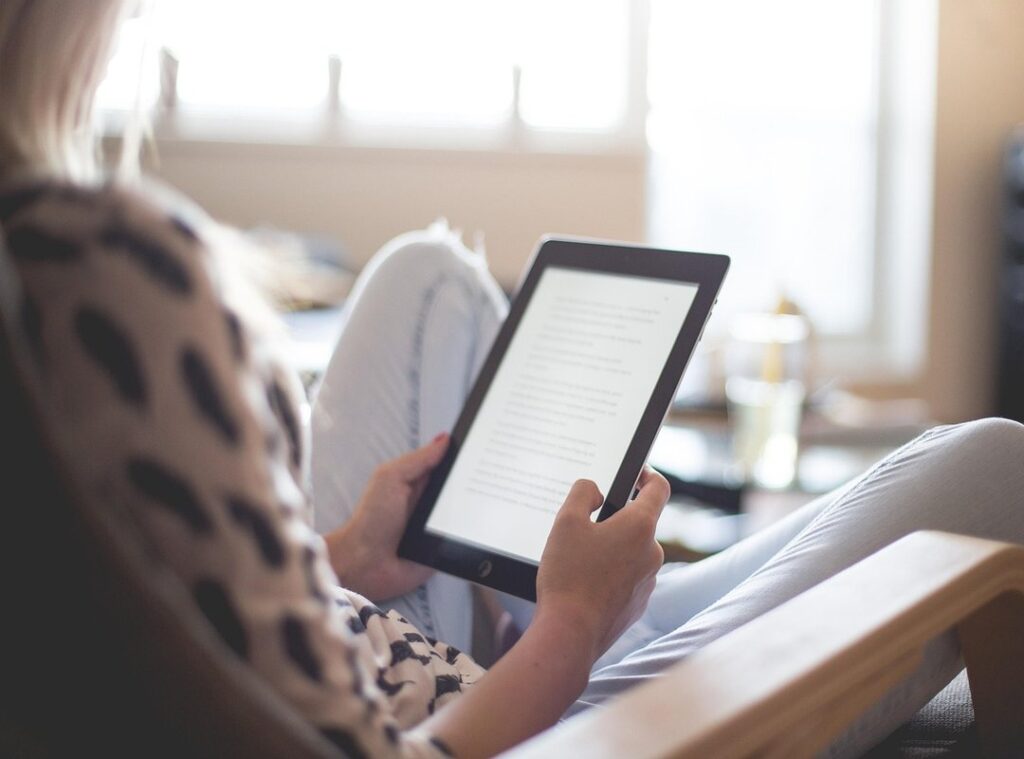
Choosing between an e-reader and a tablet can feel overwhelming. You’re not alone if you’ve stared at both devices, unsure which is right for you. They both promise to boost your reading experience but serve different purposes.
Which one fits your lifestyle better?
I’ve spent years exploring tech gadgets and know the ins and outs of these devices. E-readers are often designed with one clear purpose: to provide a reading experience that mimics paper. Tablets, on the other hand, are versatile and can do much more than display text.
They can be your entertainment hub, a gaming device, or even a productivity tool.
So how do you decide? This article will give you a detailed e-readers tablets comparison. I’ll break down the features, pros, and cons of each device to help you make an informed choice.
By the end, you’ll have a solid understanding of what each device offers and which one might best suit your needs. Trust me, you’ll appreciate having clarity on this decision. Let’s dive in and figure this out together.
E-Readers vs. Tablets: What’s the Difference?
When it comes to e-readers, think of them as your personal library. These devices are built for one thing: reading. You won’t find flashy games or social media distractions here, just endless pages of text.
Their screens mimic paper, reducing eye strain, and they last forever on a charge. Perfect for bookworms.
Now, tablets are a different beast. They’re the of devices (minus the cliché). You can read, sure, but you also get apps, games, and internet browsing.
You’re carrying a mini-computer in your bag. Handy, right? But there’s a trade-off: battery life.
Tablets need a recharge way more often. And if you’re looking for a focused reading experience, tablets can be too much.
Let’s talk design. E-readers are usually lightweight and compact. Tablets?
Bigger and heavier, packed with tech for every task. So, who are these for? E-readers target avid readers, while tablets cater to those wanting versatility.
In the e-readers tablets comparison, consider what you need. Just books, or everything digital under the sun? Each has its place, but knowing which suits your needs makes all the difference.
Why settle for distractions if you crave simplicity? Choose wisely.
Performance and Features: What You Need to Know
When it comes to e-readers tablets comparison, let’s talk about display technology. E-ink versus LCD or LED? It’s a classic debate.
E-ink is easy on the eyes (perfect for bookworms), but LCD/LED displays offer lively colors and aren’t too shabby in dim lighting.
Battery life is another battleground. E-readers typically last weeks on a single charge, while tablets need juice more often. There’s a trade-off here: do you want long battery life or a bright, colorful display?
You can’t have it all. Connectivity options also vary. Tablets often come with Wi-Fi and cellular options, making them versatile.
E-readers, on the other hand, tend to stick to Wi-Fi only, which could be a dealbreaker if you’re constantly on the move.
Compatibility with apps is where tablets shine. You can download almost anything. E-readers are more limited, focusing on reading apps, which makes sense (they know their audience).
But if you want the full app experience, tablets have the upper hand.
Storage capacities differ too. Tablets usually offer more space and the ability to expand it with a microSD card. E-readers might have less storage, but when you’re mainly storing books, it’s often enough.
Want to dive deeper into tech choices? Check out Choosing Perfect Smartwatch for more takeaways. Making the right choice often boils down to understanding these core differences.
Are you prioritizing reading, or do you need a device that’s ready for anything?
E-Readers vs. Tablets: A Personal Take
Let’s cut to the chase. E-readers and tablets aren’t just gadgets; they’re companions. Ever notice how your eyes feel after a couple of hours on a tablet?
Mine sure do. It’s that harsh glare. Compare that to an e-reader.
It’s like reading a paper book but better (less weight to lug around). If you want the best ebook readers out there, you’ve got options worth looking into.
Now, ergonomics. It’s not just a fancy word. The weight and design of these devices matter.
Tablets can be heavy, especially if you’re holding them up for long stretches. E-readers win here. They’re light, compact, and fit snugly in one hand.
The design really caters to comfort.
Let’s talk ease of use. Young people, tech-savvy or not, can breeze through tablets. But older folks or tech newbies?
An e-reader’s simplicity is a godsend. No endless notifications or distractions. Just pure reading.
In this e-readers tablets comparison, it’s clear each has its place. Tablets for versatility, e-readers for pure reading bliss. What’s your pick?
For me, when it’s about comfort and usability, e-readers take the prize every time.
Cost Considerations: Budget vs. Benefits
Let’s talk dollars and sense. When it comes to e-readers and tablets, price tags can vary wildly. E-readers usually start around $80 for basic models, hitting $300 for high-end ones.
Tablets? A budget model might set you back $150, but top-tier options can skyrocket past $1,000. You can’t ignore ongoing costs either.
Subscriptions for books or streaming services add up quickly (and) don’t forget accessories like covers or stands. Still, are they worth it?
If you’re a voracious reader, an e-reader might be your best bet. It’s cost-effective for book lovers, with no distractions. But if you want to browse the web, watch movies, or play games, a tablet offers more bang for your buck.
For more on making smart tech choices, check out our latest gaming laptops exploration. It’s packed with takeaways you need.
It’s all about what you need. Don’t waste money on features you’ll never use.
In this e-readers tablets comparison, I lean toward e-readers for pure reading pleasure. Yet, tablets win for versatility. Choose wisely based on your habits. Why pay for the moon when you only need a star?
Making the Right Choice: Factors That Matter
When choosing between devices, especially with an e-readers tablets comparison, the key is to know what you need. Are you going to use it mainly for reading or a mix of media consumption? Do you need it for the bus ride home or cozy nights in?
Testing out a device before buying it is smart. Head to a store and play around. How does it feel in your hands?
Here’s the kicker: make a checklist. Does it support your favorite apps? What’s the battery life like?
Is the screen comfortable on your eyes? You’ll thank yourself later.
You don’t want to be the person constantly plugged into a charger (nobody does).
Personal preference plays a huge role too. Some folks love the minimalism of e-readers, others crave the versatility of tablets. Remember, this is your gadget.
Make it count.
Make the Right Tech Choice
Choosing the right device shouldn’t be a struggle.
The e-readers tablets comparison makes it clear: each option has its strengths and weaknesses.
What matters most is your lifestyle and what you prioritize in a device. Are you an avid reader or a multitasker? Do you want portability or a larger screen?
These questions guide your choice.
I urge you to evaluate your needs. Don’t get lost in specifications. Focus on what fits your daily routine.
Dive deeper into our gadget exploration guides. They’ll help you get through the noise and find the best fit for you.
Remember, picking the right device can boost your tech experience.
So, are you ready to make an informed decision?
Don’t wait. Explore our guides now and help your tech journey.
Your ideal device is just a click away.
 Therynna Riverhaven has strong opinions about software, but the useful kind — the kind shaped by long-term use rather than first impressions. They covers In-Depth Software Reviews, Hands-On Tech Tips, and Tech Industry Developments with a perspective that feels unusually grounded in actual experience. A lot of software writing online focuses on features in isolation, as though adding enough bullet points automatically creates a better product. Therynna approaches things differently. They spends a lot of time thinking about how software changes the way people work, communicate, organize information, and manage frustration on a daily basis.